Host-authoritative multiplayer
In host-authoritative multiplayer one machine, the host, runs the real game and decides every outcome; the others send inputs and draw what it tells them.
Also called authoritative server, server authority, listen server.
One computer has to be the referee. In a host-authoritative game that's the host, often the player who opened their world to friends. The host runs the real rules: where creatures go, what gets hit, what drops. Everyone else sends what they press and draws the world from the host's answers.
Why let one machine decide?
With one decider, two screens can't disagree about who got the loot, and a player can't cheat by sending a made-up position or hit, because the host never accepts either. The cost is delay, and most of the work in an online co-op game goes into hiding it.
Host authority in Mytheria
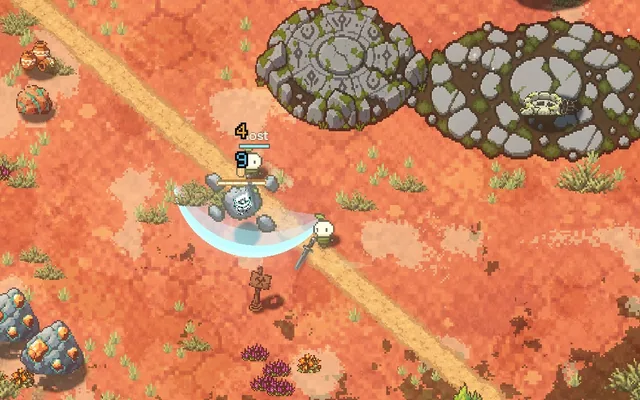
Guests send their inputs 30 times a second and never their position. Building, picking things up and moving items are requests the host checks before doing them. The host sends each guest only what changed and only what's near them, which took our traffic from 41 to 4.1 kilobytes a second, and it's also the host's game that saves the world.
 The full post, with clips and demos How co-op multiplayer works in Godot: host, prediction and lag